Resilience in Adversity: Reflecting on 2025 and the Power of Refugee-Led Change
Featured Story

Resilience in Adversity: Reflecting on 2025 and the Power of Refugee-Led Change

March 2026

As we close the doors on 2025, RECAN pauses to reflect on a year defined by both unprecedented challenges and the extraordinary strength of the human spirit.

Read Full Article
Share:
Latest Updates

Recent News

Resilience in Adversity: Reflecting on 2025 and the Power of Refugee-Led Change
Article

Resilience in Adversity: Reflecting on 2025 and the Power of Refugee-Led Change

As we close the doors on 2025, RECAN pauses to reflect on a year defined by both unprecedented challenges and the extraordinary strength of the human ...

March 20, 2026 Read Full Story
Share:
THE BRIGHTER PROJECT: Beauty, Hope, and a Sense of Home
Project

THE BRIGHTER PROJECT: Beauty, Hope, and a Sense of Home

A transformative initiative challenging the temporary mindset in refugee camps by empowering communities to build, design, beautify, and make their sp...

March 20, 2026 Read Full Story
Share:
THE BRIGHTER PROJECT
News

THE BRIGHTER PROJECT

Beauty, Hope, and a Sense of Home,. To Restore Memories of Peace and Stability....

February 19, 2026 Read Full Story
Share:
RECAN Kenya Restructuring and Reform Report
Report

RECAN Kenya Restructuring and Reform Report

RECAN Kenya has completed a major restructuring process, officially onboarding new members and establishing a new management team....

September 21, 2025 Read Full Story
Share:
Five New RLOs Join RECAN Kenya
News

Five New RLOs Join RECAN Kenya

Kalobeyei Initiative, EJOK KAKUMA SKY OF HOPE, Saida Community Initiative, FHE, and Generation Aid have officially joined the network....

September 10, 2025 Read Full Story
Share:
Storytelling Workshop with Sisters in Climate
Report

Storytelling Workshop with Sisters in Climate

RECAN and Sisters in Climate conducted a transformative storytelling workshop in Kakuma, empowering 12 women with storytelling skills to amplify refug...

August 23, 2024 Read Full Story
Share:
Workshop Report

Storytelling Workshop Report

Hosted By: RECAN and Sisters in Climate
Date of Workshop: 23 August 2024
Location: Ato Rites Resort, Kakuma

Summary

On 23 August 2024, RECAN and Sisters in Climate conducted a transformative storytelling workshop in Kakuma, which brought together 12 women—aspiring writers, photographers, filmmakers, and content creators. The workshop, held over five and a half hours, was designed to engage participants in refining their storytelling skills and equipping them with tools to share powerful narratives. A central focus of the session was on empowering women, recognising their shared experiences, and fostering a sense of sisterhood. Participants, despite their diverse backgrounds, all expressed a deep commitment to telling compelling stories that amplify the voices of refugees, especially women, and advocate for climate change awareness and solutions.

Background, Overview & Participant Demographics

The idea for the storytelling workshop emerged from a collaboration between Natalie Sifuma from Sisters in Climate and Justin Mahamba from RECAN. During an introductory meeting in Nairobi in July 2024, Justin highlighted the need for targeted capacity-strengthening efforts for young people in the Kakuma Refugee Camp. The conversation quickly turned to the potential of storytelling to address these challenges and to empower women within the refugee community.

In the weeks following this meeting, Natalie and Justin, with the help of Seth Mugenyi, RECAN Coordinator, began planning the event. RECAN led the logistical planning and marketing within Kakuma, while Sisters in Climate focused on the programmatic aspects, ensuring that the workshop would meet the unique needs of the participants.

The event took place from 9:00 am to 2:30 pm at Ato Rites Resort and attracted 12 attendees. These women, aged between 19 and 38, were all affiliated with RECAN and Talent Shade Films, and shared a common interest in refining their storytelling abilities across oral, written, and visual mediums. The workshop was designed to help them communicate more effectively about the diverse refugee experiences, including challenges related to climate change.

Workshop Objectives & Purpose

The original goal of the workshop was to help the female members of RECAN refine their storytelling for international speaking engagements. However, to ensure the workshop was inclusive, the objectives were broadened to empower all participants—regardless of their previous storytelling experience—to develop the confidence and skills necessary to communicate compelling narratives.

The workshop aimed to:

  • Equip participants with the skills to identify and achieve their storytelling goals.
  • Highlight the power of storytelling in challenging stereotypes and breaking biases, especially concerning refugee narratives.
  • Provide participants with fundamental storytelling tools to communicate the multifaceted stories of refugees, including their experiences with climate change.

This approach aligned with the broader mission of Sisters in Climate, which seeks to empower women in refugee and marginalised communities to tell their own stories, especially on platforms that shape public perceptions of refugees.

Workshop Highlights & Key Moments

To begin the workshop, an introductory session allowed participants to share their personal dreams, goals, and values in a circle, a traditional African communal practice. This exercise not only helped participants connect but also provided them with an opportunity to reflect on their shared aspirations.

A key moment in the workshop was a discussion on the term "refugee" and its associated stereotypes. Participants explored how the word has often been used to convey a narrow, negative image of refugee life. The workshop encouraged them to reclaim this term as a powerful tool to tell their own stories and challenge prevailing biases.

Participants were also invited to share personal experiences that would inform the stories they wish to tell. This session emphasised the importance of vulnerability in storytelling, with many participants expressing a desire to begin sharing their stories within their local communities, using their lived experiences as a foundation.

The workshop's interactive format allowed participants to practice storytelling techniques, engage in public speaking exercises, and receive feedback from their peers, all of which were essential for building confidence in future speaking engagements.

About RECAN

The Refugee ChangeMakers Network (RECAN) was founded in 2023 to connect refugee changemakers across Africa. Its mission is to discuss and address the challenges faced by refugee communities while providing resources and capacity-building support to help build sustainable communities. RECAN fosters collaborations aimed at empowering refugees to take ownership of their narratives and advocate for their rights.

Contact Information:
Seth Mugenyi (RECAN Coordinator)
Email: seththediscover@gmail.com / wellbornmutumayi@gmail.com

About Sisters in Climate

Sisters in Climate is a pan-African, ecofeminist community advancing knowledge and collaborations on climate for sustainable futures. We operate at the intersection of gender, sustainability, and social equity, with an earnest dedication to advancing climate justice by centering African women's voices and leadership — while simultaneously fostering community-driven environmental action. Our activities include: workshops, events and story-based campaigns, projects and climate consultations.

Contact Information:
Email: hello@sistersinclimate.org

"Education is the most powerful weapon which you can use to change the world."

Project Feature

THE BRIGHTER PROJECT: Beauty, Hope, and a Sense of Home

January 2025
Kakuma and Kalobeyei Settlements, Kenya

THE BRIGHTER PROJECT Introduction

The History of Refugee Camps: From Temporary to Permanent

The history of the refugee camp is one of necessity and temporary. During its creation, large-scale sites emerged after World War I and in the 1948 Palestinian war. Modern complexes like Dadaab (est. 1991) and Kakuma (est. 1992) have become enduring features of the global humanitarian landscape.

Originally designed as temporary sites, refugee camps were built for the immediate management of human influxes, providing essential protection, food, and medical care to those fleeing war, persecution, and natural disasters. However, decades later, the reality on the ground has shifted dramatically.

From Temporary Shelter to Permanent Reality

For years, the temporary has become permanent. Entire generations are born, raised, and married within the confines of these camps. This prolonged displacement creates a psychological cage, a temporary mindset that can limit innovation, resilience, and self-reliance. When an individual lives under the assumption that "this is not home and we could leave at any time," the motivation to create, invest, and build a sustainable future often remains dormant.

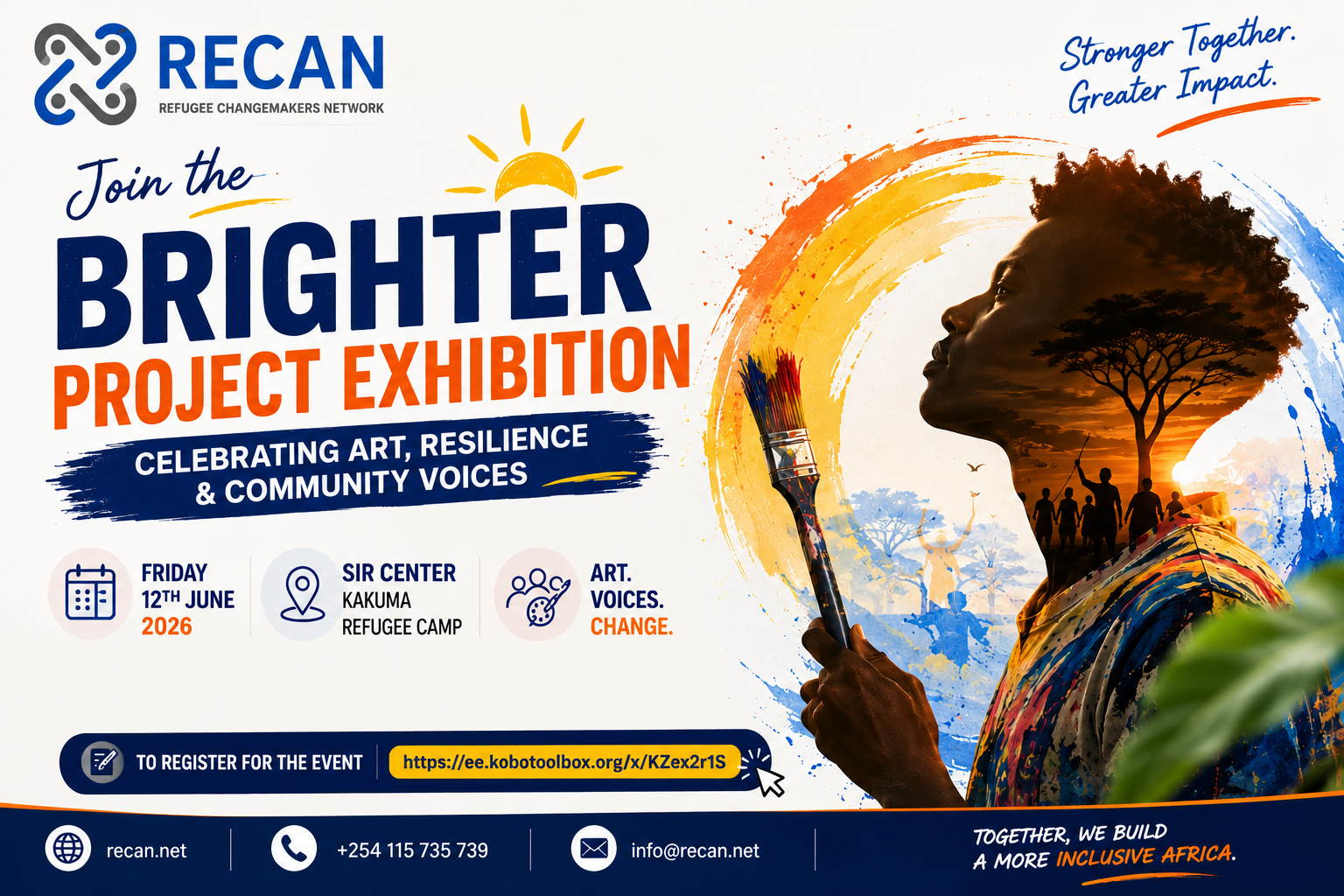
The Brighter Project was born to challenge this stagnation. We aim to shift perspectives, restore identities, and instill a profound sense of hope. Our guiding principle is simple yet transformative: "Build, design, beautify and make it a home."

The Brighter Project Mission

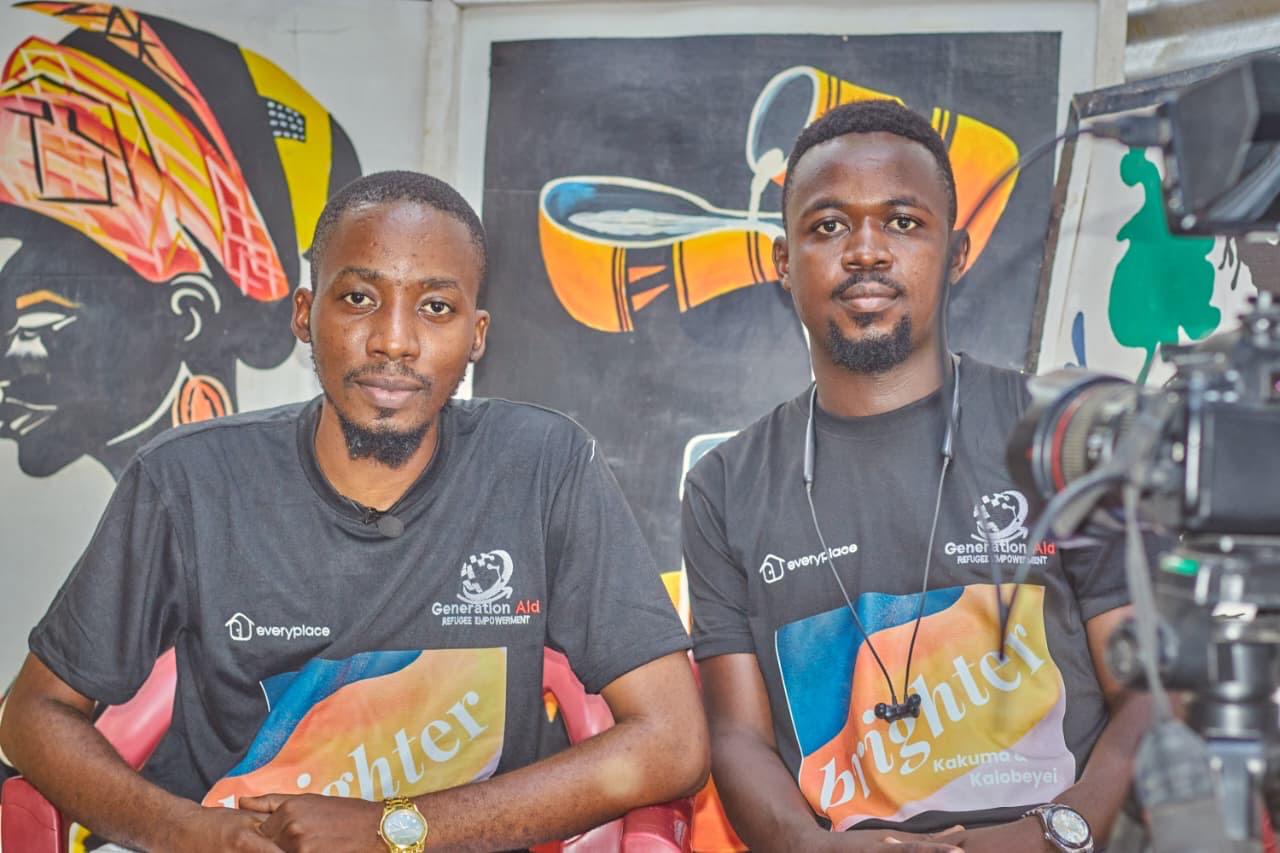
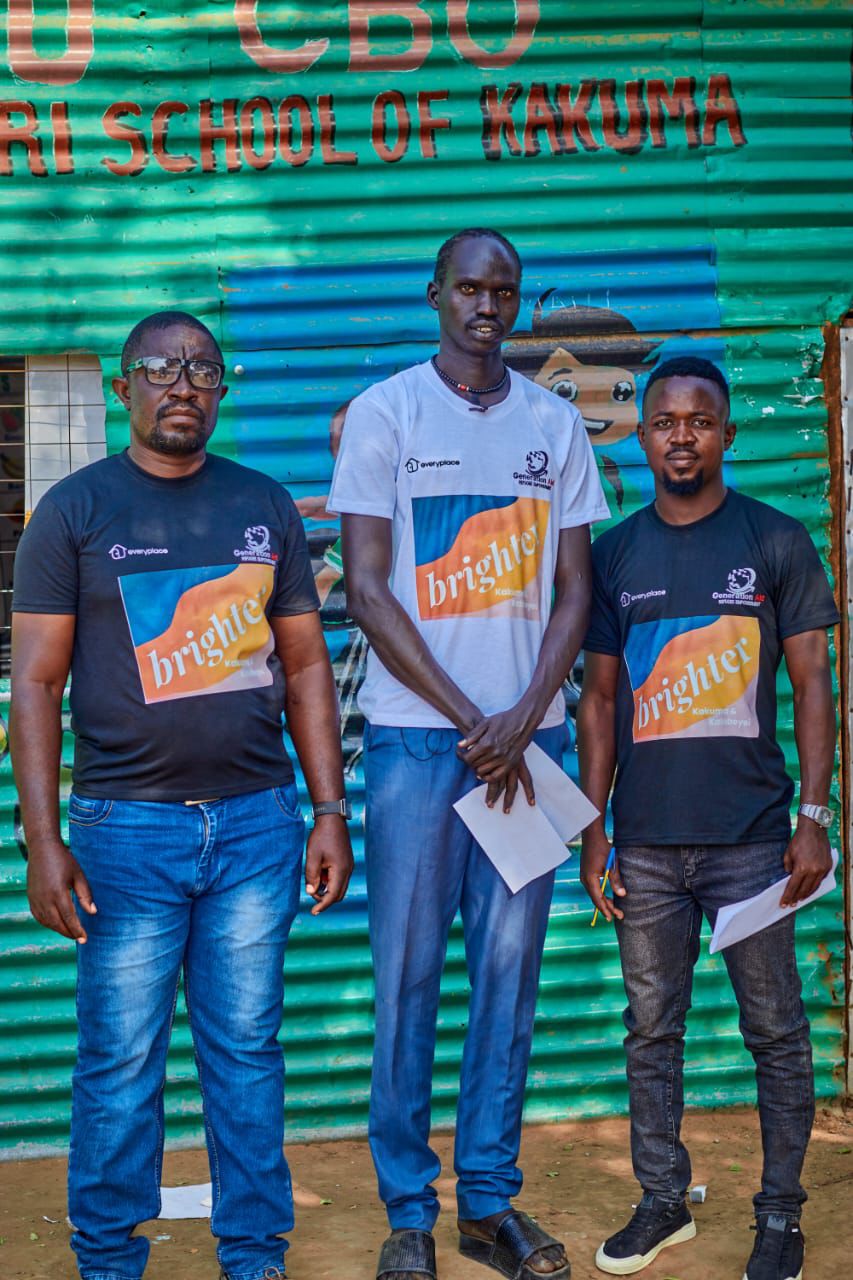
The Brighter Project is led by Generation Aid (a refugee-led organization in Kakuma) and facilitated by The Refugee Change-makers Network in partnership with Everyplace. The initiative is initiated and funded by Home Ground Lab and is implemented in the Kakuma and Kalobeyei settlements.

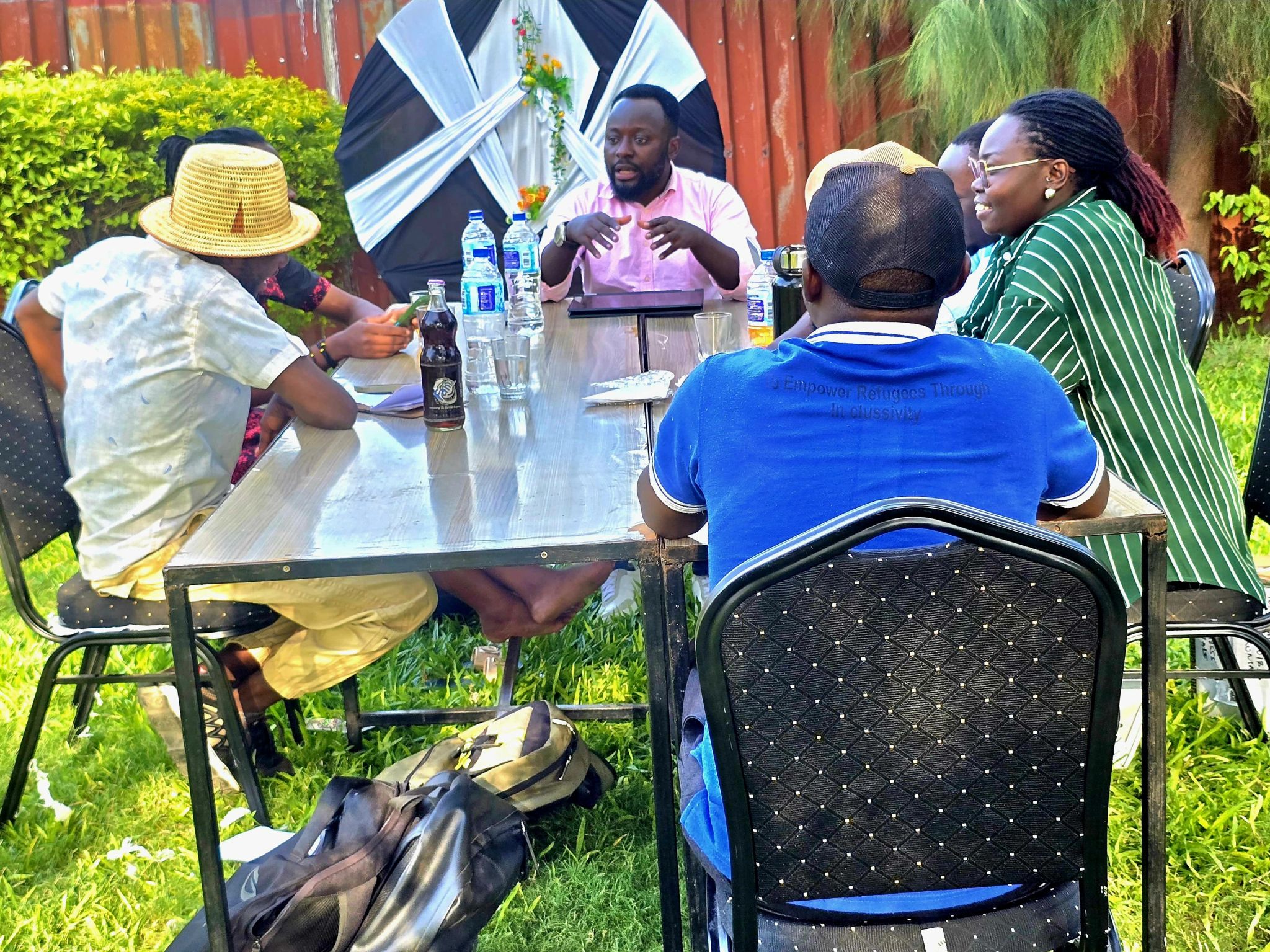
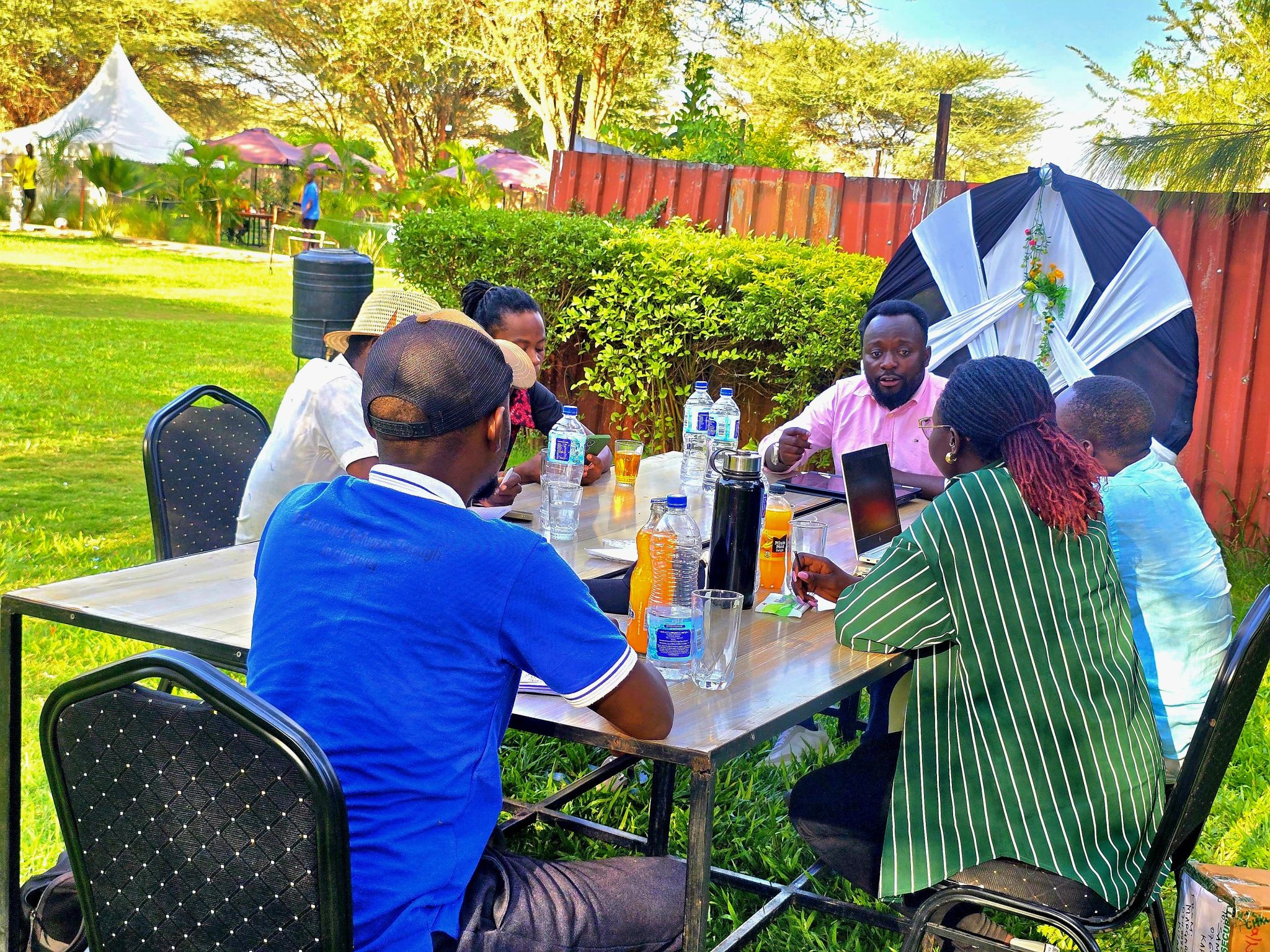
At its core, the project is a convening process. It brings together artists, refugee-led organizations, and community leaders to collectively examine ideas of home, beauty, and belonging in Kakuma. This process helps surface community perspectives and guides how future creative and beautification efforts are shaped.

THE BRIGHTER PROJECT

Shifting the Narrative

The work begins with conversation. Artists, refugee-led organizations, and community leaders come together in a community-led process to explore what it means to be and make home in Kakuma. Rather than prescribing solutions, the project creates space for shared definition, learning, and locally grounded priorities to emerge.

Empowerment Through Artistry

The Brighter Project empowers refugees by equipping the artists, local leaders, and the broader community with the technical skills and materials needed for home beautification. We are providing:

  • Technical Training: Workshops on design, painting, and decorative techniques.
  • Resource Access: High-quality beautification materials to ensure project sustainability.
  • Community Leadership: Strengthening the capacity of refugees to lead their own aesthetic and environmental transformations.

Our Vision for the Future

We envision a clean, vibrant environment where homes are no longer seen as mere shelters, but as sanctuaries of safety and dignity. By helping residents design and beautify their surroundings, we unlock the creative potential that has been hindered by years of uncertainty.

By reclaiming their space, refugees can break free from the reliance on external aid and begin the vital work of balancing their lives within the camp. This project serves as a reminder to all forcibly displaced persons that making a place a "home" heals the spirit.

Healing Through Home

Beyond the physical transformation, The Brighter Project provides essential psychosocial support. Beautifying one's environment helps restore memories of peace and stability, acting as a balm for the depression and trauma caused by conflict. When a house becomes a home, it fosters a sense of belonging that is foundational to a brighter tomorrow.

The project represents a fundamental shift in how we approach refugee settlements—not as temporary holding spaces, but as communities where people can thrive, create, and build meaningful lives. Through beauty, hope, and a sense of home, The Brighter Project is transforming the narrative of displacement, one home at a time.

Partner Primary Roles

Partner Primary Roles
RECAN (Lead) Grant and project management, safeguarding focal point, coordination, reporting + overseeing T-SHA activities
Generation Aid / Senga Gallery Fiscal sponsor and Implementing organization, artistic direction, mentoring, and exhibition planning
Home Ground Lab Funder, project co-designer, and training support
T-SHA Photo and video documentation, including for data collection; contributes to community engagement

"Build, design, beautify and make it a home."

— The Brighter Project Guiding Principle
Never Miss an Update

Subscribe to our newsletter to receive the latest news, impact stories, and opportunities directly in your inbox.

We respect your privacy. Unsubscribe at any time.